
Spaces That Make Good Habits Happen

Welcome to a practical guide for everyday changemakers, where we explore designing your home and workspace to make good habits automatic, translating behavioral science into floor plans, tiny anchors, and joyful cues. You will learn to reduce friction, surface helpful prompts, and choreograph routines so action feels obvious and easy. Expect stories, checklists, and experiments you can try tonight, plus gentle accountability invitations so you keep improving without forcing motivation.

Place the Right Prompt Where Action Begins

Put water beside the coffee maker, running shoes by the door, and the book on your pillow. The best reminder lives exactly where your hand naturally reaches next. Pair each habit with a physical cue that cannot be ignored, like a bright mat for stretches or a guitar stand near the couch, so attention lands where effort matters.

Lower Friction for the Helpful, Raise It for the Harmful

Make it easier to start than to stall. Pre-chop vegetables for visible snacking, keep dumbbells under the desk, and leave a journal open to a dated page. Meanwhile, store cookies on a high shelf, log out of time-wasting sites, and wrap the TV remote with a rubber band. A few seconds of added hassle can protect hours of focus.

Prep the First, Easiest Step Before You Need It

Decide the smallest possible move and set it out in advance. Lay out the yoga mat, pre-load the playlist, or draft the first sentence of tomorrow’s email. By engineering a runway, you transform starting friction into momentum. Many readers report that one ready object, like a filled water bottle on the desk, quietly upgrades an entire day.

Layout Blueprints That Steer Daily Movement

Paths shape choices. Design obvious routes that lead you past the objects that support routines you value and away from temptations that hijack attention. Consider sightlines, reach zones, and walking flows so your default navigation nudges better moves. When the layout carries you from station to station, the day feels choreographed, not chaotic, and consistency arrives almost by accident.
Create a small station at the entry with hooks, a tray for keys, a charging dock, and a basket for gym gear or library books. Returning home triggers a quick reset ritual: hang, drop, plug, swap shoes, and fill the water bottle. This predictable choreography prevents clutter from spreading and keeps essentials ready for your next purposeful exit.
Place a fruit bowl at eye level and tuck sweets behind opaque containers. Keep the cutting board on the counter with a knife magnetized nearby, and store smoothie ingredients together. When wholesome options are visible and effortless, you will reach for them without debate. Your fridge door can become a silent coach, not a battlefield of cravings.

Light, Sound, Scent, and Texture as Quiet Coaches

Your senses constantly vote on what to do next. Tune brightness, noise, aroma, and tactile feel so they favor focus, calm, or activation when needed. Gentle daylight wakes intention, warm light closes an evening. Soundscapes shield concentration, while specific scents mark transitions. Texture underfoot or underhand can cue posture, pace, and patience without a spoken word.

What You See Changes Who You Become

Progress You Can Actually See and Touch
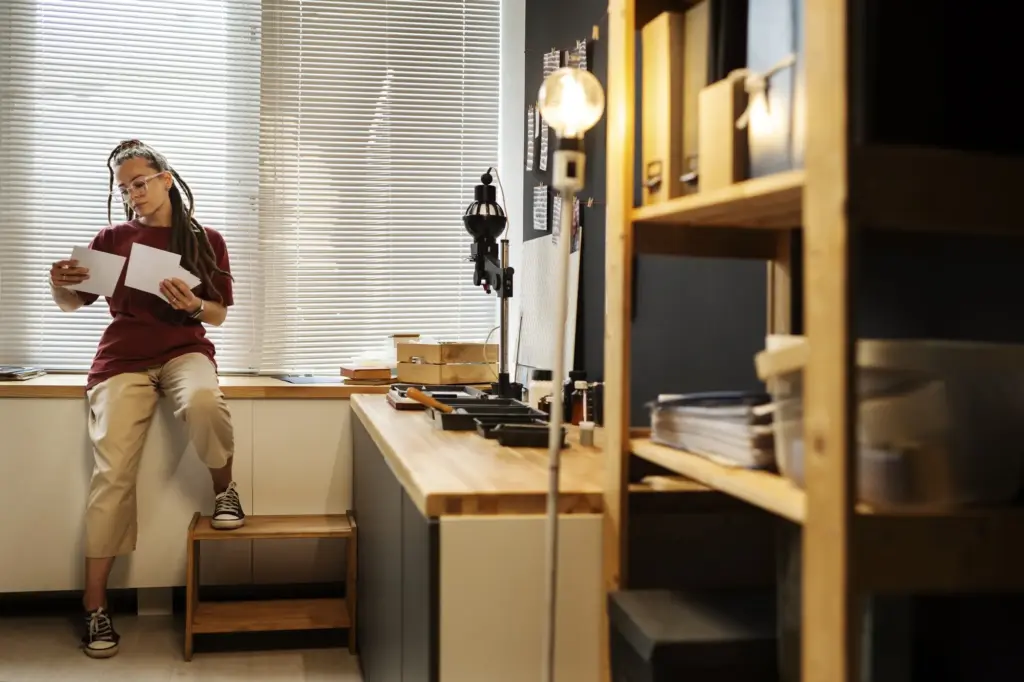
Mount a simple calendar and cross each day you practice, aiming for chains that encourage streaks without perfectionism. Add a jar of paperclips, moving one for each page read or call made. Tangible markers transform invisible effort into visible momentum. The moment you glance up and spot progress, you buy belief, and belief buys the next rep.

A Values Shelf That Reminds You Why

Dedicate a small, uncluttered surface to objects that symbolize commitments: a library card, a medal, a photo from a hike, or a gratitude note. This quiet altar to priorities reconnects action with meaning. When motivation dips, one glance grounds you. Keep the shelf curated and dusted, preventing it from becoming storage, so reverence translates into reliable follow-through.

Decluttering by Default Instead of Heroic Bursts

Design storage that swallows mess before it spreads: labeled bins, generous hooks, and a single donation box within reach. Use closed fronts for visual calm and open trays for tools you want used daily. Schedule tiny tidy triggers—after coffee, clear counters; before dinner, reset desk. Order arrives from defaults, not occasional marathons, and peace becomes the baseline.

Tuning the Digital Layer to Back You Up

Screens and software are rooms you carry in your pocket. Arrange them the same way you arrange furniture: align the first tap with the right behavior, hide distractions behind multiple steps, and automate routine chores. Notifications should be tools, not tyrants. When the digital layer mirrors your intentions, your day stops leaking attention and starts compounding progress.

An Evening Five-Minute Reset that Pays Tomorrow

Before bed, set a timer and restore surfaces: clear the counter, lay out clothes, refill the bottle, and stage the first task. Dim lights signal closure, and a single note lists tomorrow’s first move. This reliable ritual turns mornings into glide paths, rescuing focus from scramble, and proving that tiny maintenance multiplies motivation when it matters most.

Seasonal Micro-Upgrades with Big Ripples

Every quarter, rotate tools forward, retire clutter, and reassign a corner to the next priority. Swap heavy fabrics, refresh lighting, and replace worn organizers. Small environmental edits reignite attention and restore novelty without disruption. Treat these tune-ups like joyful experiments, then share results with a friend or community to spark ideas, accountability, and renewed curiosity about what works now.